
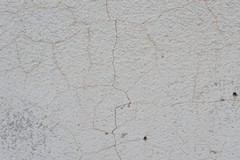
That hairline crack running down your basement wall might look harmless today, but it rarely stays that way. Concrete and masonry naturally shift as your home settles and as the soil outside expands and contracts with the seasons. What starts as a thin line can widen over time, and once it does, groundwater has an easy path straight into your living space. The smartest homeowners act while the problem is small, which is exactly why we encourage people to repair basement wall cracks early rather than waiting for the first puddle to appear. If water has already found its way in, our team offers professional damage restoration services in Philadelphia and beyond to help you recover quickly.
At Quantum Restoration, we see the aftermath of ignored cracks more often than we would like. A crack that could have been sealed in an afternoon becomes a saturated wall, ruined flooring, and the beginnings of mold. The good news is that catching these issues early is completely within your control once you know what to look for.
Why Basement Walls Crack in the First Place
Basements bear an enormous amount of pressure. The soil surrounding your foundation holds moisture, and after heavy rain or snowmelt, that saturated ground pushes against the walls with what is known as hydrostatic pressure. Over months and years, this constant force finds the weakest points in your foundation and begins to open them up.
Not every crack signals the same problem. Vertical and diagonal cracks are often the result of normal settling and shrinkage as concrete cures and ages. Horizontal cracks tend to be more serious because they can indicate that outside pressure is bowing the wall inward. Regardless of the type, any opening in a basement wall is a potential entry point for water. That is why it makes sense to repair basement wall cracks before they have a chance to grow or invite moisture inside.
The Warning Signs You Should Never Ignore
Most basement water problems announce themselves long before a flood arrives. Paying attention to the early clues gives you time to act while repairs are still simple and affordable. Keep an eye out for the following:
- Thin cracks that appear to be lengthening or widening over time
- White, chalky mineral deposits, called efflorescence, on the wall surface
- Damp spots, discoloration, or a musty smell after it rains
- Paint that bubbles or peels near the base of the wall
- Small pools of water or moisture where the wall meets the floor
Any one of these signs is worth investigating. Together, they usually mean that moisture is already making its way through the concrete, even if you have not seen standing water yet. The sooner you address the source, the less likely you are to deal with a full-blown emergency later.
What Happens When You Wait
Delaying a repair almost always costs more in the long run. A small crack that lets in a trickle of water can quickly escalate once the surrounding soil becomes fully saturated during a wet season. Water does not simply sit in one place. It spreads across flooring, wicks up into drywall, and settles into anything stored nearby, from cardboard boxes to wooden furniture.
The bigger concern is what water leaves behind. Persistent dampness creates ideal conditions for mold growth, which can begin within a day or two of moisture exposure. Mold not only damages materials but also affects indoor air quality throughout the home. Beyond that, ongoing water intrusion can weaken the foundation itself, turning a minor cosmetic fix into a structural project. Choosing to repair basement wall cracks early is one of the most cost-effective decisions a homeowner can make. If you want to understand how quickly moisture spreads, our overview of water damage restoration in Philadelphia explains the process in more detail.
How Basement Wall Cracks Are Repaired
The right repair method depends on the size, location, and cause of the crack. For narrow, stable cracks in poured concrete, a common approach is injecting epoxy or polyurethane directly into the opening. Epoxy bonds the concrete back together and restores strength, while polyurethane expands to fill the void and creates a flexible, water-resistant seal. Both methods are designed to keep moisture out permanently when applied correctly.
Larger or more active cracks may call for additional measures, such as exterior waterproofing membranes, improved drainage, or interior barriers that channel any incoming water toward a sump system. In some cases, addressing the grading and gutters around the outside of the home does as much to solve the problem as the repair itself, because it reduces the amount of water reaching the foundation in the first place.
This is where professional assessment matters. A crack that looks minor on the inside can be tied to a much larger drainage or pressure issue outside. Our specialists evaluate the whole picture before recommending a solution, so you are not just patching a symptom while the underlying cause continues to work against you.
Simple Steps to Protect Your Basement
While professional repairs handle the cracks themselves, a few maintenance habits go a long way toward keeping water away from your foundation. Directing rainwater away from the house is the foundation of good basement protection.
- Clean your gutters regularly and make sure downspouts extend several feet away from the foundation.
- Check that the soil around your home slopes away from the walls rather than toward them.
- Inspect your basement walls a few times a year, especially after heavy storms, and note any new or changing cracks.
- Address minor cracks promptly instead of assuming they will stay small.
- Consider a sump pump and drainage system if your basement has a history of moisture.
These steps reduce the pressure and moisture that cause cracks to form and widen. Combined with timely repairs, they give your basement the best possible defense against water intrusion throughout the year.
When to Call in the Professionals
Some cracks are minor enough for a homeowner to monitor, but others deserve expert attention right away. Horizontal cracks, cracks wider than a quarter inch, and any opening that is actively leaking should be inspected by a professional. The same is true if you notice a wall beginning to bow or if water keeps returning no matter what you try. These are signs that the issue goes deeper than a surface seal.
Quantum Restoration serves homeowners across Philadelphia and the surrounding areas, helping them stay ahead of water problems before they turn into major repairs. When you need trusted water damage restoration in Conshohocken or fast help with a leaking foundation, our experienced team is ready to assess the situation and recommend the right fix.
The bottom line is simple. A small crack today is far easier to handle than a flooded basement tomorrow. By learning the warning signs, keeping water directed away from your foundation, and acting quickly when you see something concerning, you protect both your home and your peace of mind. If you are unsure about a crack in your basement wall, contact us for a professional look before water gets the chance to get in.