
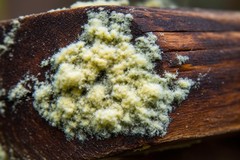
Wood is one of the most mold-friendly materials in any home. It holds moisture, feeds fungus with its organic fibers, and often hides in places you rarely inspect, like floor joists, wall studs, and the underside of subfloors. If you have spotted fuzzy black or green patches on framing, trim, or furniture, you are not alone, and finding mold treatments for wood that actually work is more about doing the right things in the right order than buying the strongest product on the shelf. At Quantum Restoration, we provide disaster restoration services in Philadelphia, PA, and we see firsthand how quickly a small mold problem on wood can spread when it is treated with guesswork instead of a proven process.
The good news is that most wood surfaces can be saved if you catch the problem early and address both the mold and the moisture that caused it. The bad news is that many popular home remedies either mask the issue or stop short of killing the root structure of the mold. Let us walk through what genuinely works, what to skip, and when it is time to bring in professionals.
Why Wood Is Such a Target for Mold
Mold needs three things to grow: moisture, a food source, and the right temperature. Wood delivers two of those automatically. Its porous structure absorbs humidity and spills, and its cellulose fibers provide an endless meal for fungal colonies. This is why wood in basements, crawl spaces, and behind drywall tends to be the first casualty after a leak or flood.
What makes wood tricky is that mold does not just sit on the surface. The roots, called hyphae, burrow into the grain. That is why wiping away visible growth often feels like a victory until the spots return a few weeks later. Effective mold treatments for wood have to reach below the surface, not just clean what you can see. Understanding this distinction is the difference between a temporary fix and a lasting one.
Fix the Moisture Before You Treat the Wood
No treatment will hold if the wood stays damp. Mold is a symptom, and moisture is the disease. Before you scrub a single board, find and stop the water source, whether that is a plumbing leak, poor ventilation, a foundation issue, or standing water from a flood. Then dry the area thoroughly using fans, dehumidifiers, and airflow until the wood returns to a normal moisture content.
This step matters so much because treating mold on wet wood is like painting over rust. Within days, the colony returns because the conditions that fed it never changed. If the mold followed a leak or flooding event, professional drying may be necessary to pull moisture out of structural wood that still feels damp long after the surface dries. Our team handles water damage restoration in Conshohocken, PA and throughout the region, because solving the water problem is always the first part of solving the mold problem.
Treatments That Genuinely Remove Mold from Wood
Once the wood is dry and the moisture source is handled, you can move to treatment. The method depends on how deep the growth goes and whether the wood is finished, raw, or structural. Here are the approaches that consistently deliver results:
- Soap and water with a stiff brush: For light surface mold on finished or sealed wood, warm water with dish soap and a scrub brush often lifts the growth without damaging the material. This is the gentlest starting point.
- Distilled white vinegar: Vinegar is mildly acidic and penetrates porous wood better than many sprays. Apply it undiluted, let it sit for an hour, then scrub and wipe. It is effective against many common mold species and leaves no harsh residue.
- Detergent and borate solutions: For deeper or more stubborn growth on raw or structural wood, a borate-based cleaner both kills mold and helps prevent regrowth by remaining in the wood fibers.
- Sanding for embedded colonies: When mold has penetrated unfinished wood, light sanding after cleaning removes the top layer where hyphae have rooted. Always clean and dry first, then sand, then vacuum the dust with a HEPA filter.
A quick note on bleach: despite its reputation, chlorine bleach is often a poor choice for mold treatments for wood. Bleach is mostly water, and while it may lighten surface stains, the water soaks into the grain while the disinfecting agent stays on top. That can actually feed roots deeper in the wood. If you want color correction after cleaning, that is one thing, but do not rely on bleach to kill mold inside the wood itself.
Sealing and Preventing Regrowth
After the wood is clean and fully dry, the final step is prevention. Applying a mold-resistant primer or sealer locks out moisture and makes the surface less hospitable to future growth. For structural wood that stays exposed, such as framing in a basement or crawl space, an encapsulating sealer adds a long-term layer of protection.
Prevention also means controlling the environment. Keep indoor humidity below roughly 50 percent, use exhaust fans in bathrooms and kitchens, insulate pipes that sweat, and address drainage issues around your foundation. Many of the mold cases we see in Philadelphia and the surrounding areas trace back to chronic humidity rather than a single dramatic leak.
When to Call a Professional
Do-it-yourself mold treatments for wood work well on small, contained patches, usually anything under about ten square feet on accessible surfaces. Beyond that, or when mold appears on structural framing, spreads behind walls, or keeps returning no matter what you try, it is time for professional help. The same goes for any mold tied to flooding, sewage, or a long-term leak, since those situations often hide extensive damage you cannot see.
Professionals bring containment, negative air pressure, HEPA filtration, and antimicrobial treatments that prevent spores from spreading to clean parts of your home during removal. We also assess whether wood can be saved or must be replaced, which protects the structural integrity of your property. If you are unsure how far the problem reaches, a professional inspection removes the guesswork and gives you a clear plan.
Protecting Your Home for the Long Run
The most reliable path to mold-free wood combines three things: stopping the moisture, thoroughly treating and removing the growth, and sealing the surface to prevent its return. Skip any one of those steps and the problem tends to come back. When you match the treatment to the severity, from a simple vinegar scrub to full structural remediation, you give your home the best chance at a lasting result.
If the growth is widespread, keeps returning, or followed water damage, do not wait for it to spread further. Quantum Restoration offers professional mold removal and remediation in Philadelphia, PA and neighboring communities, backed by a team that understands how moisture, wood, and mold interact. Reach out for an inspection or a free quote, and let us help you protect your home with solutions built to last.