
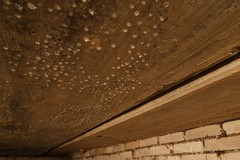
Wood is one of the most common materials in any home, from hardwood floors and cabinetry to structural framing and furniture. It is also one of the most vulnerable when water gets where it should not be. A slow leak under a sink, a burst pipe, or a flooded basement can leave wood swollen, stained, and weakened in a matter of hours. Knowing how to treat water damaged wood quickly can mean the difference between a simple repair and a costly replacement. If the damage is severe or spreading, our team offers disaster restoration services in Philadelphia to help homeowners recover fast.
The good news is that not all water damaged wood is beyond saving. With the right steps taken early, many surfaces can be dried, restored, and protected against future problems. The key is acting before moisture has time to settle deep into the grain, where it invites warping, rot, and mold. Below, we walk through the practical process and the warning signs that tell you it is time to bring in a professional.
Why Water Damages Wood So Quickly
Wood is naturally porous, which means it absorbs moisture the way a sponge does. When water sits on or around wood, the fibers swell and the surface may cup, warp, or buckle. Prolonged exposure breaks down the adhesives in engineered products like plywood and laminate flooring, and it weakens the structural integrity of solid lumber over time.
The bigger danger is what happens out of sight. Moisture trapped beneath flooring, inside cabinets, or behind baseboards creates the perfect environment for mold growth, often within 24 to 48 hours. That is why understanding how to treat water damaged wood is really about controlling moisture fast, not just wiping up what you can see. The sooner you interrupt that cycle, the better your chances of a full recovery.
First Steps: Stop the Source and Dry the Area
Before any repair can begin, the source of the water must be addressed. A dripping pipe, an overflowing appliance, or a roof leak will keep feeding the problem no matter how much you dry. Shut off the water supply or contain the leak, then remove standing water with towels, a wet vacuum, or a mop.
Once the area is clear, focus on drying. Open windows if the weather is dry, run fans to keep air moving across the wet surfaces, and set up a dehumidifier to pull moisture from the air. Removing area rugs, furniture cushions, and other items that trap humidity helps the space dry evenly. Patience matters here. Wood that looks dry on the surface can still hold significant moisture underneath, so give it several days and check with a moisture meter if you have one.
How to Treat Water Damaged Wood Surfaces
After the wood is thoroughly dry, you can begin restoring the surface. For minor cases, the approach depends on the type of damage and the finish on the wood. Light water stains on furniture or trim often respond to gentle cleaning and refinishing, while deeper problems may require sanding and sealing.
Here is a straightforward sequence that works for most salvageable pieces:
- Clean the surface with a mild detergent to remove dirt, residue, and any early mildew, then let it dry completely.
- Sand down raised grain, rough patches, or discolored areas, working with the grain to avoid scratches.
- Treat visible white or dark water stains with an appropriate wood cleaner or a light bleaching solution formulated for wood.
- Reseal or refinish the wood with a matching stain and a protective topcoat to guard against future moisture.
For hardwood floors that have cupped slightly, controlled drying sometimes allows the boards to flatten back out over weeks. Boards that stay buckled, crack, or feel spongy usually need to be replaced. Cabinetry with delaminated veneer or swollen particleboard is often difficult to save, but solid wood pieces frequently respond well to refinishing.
Preventing Mold and Further Damage
Even after the visible surface looks restored, hidden moisture is the enemy that keeps working. Mold spores are always present in the air, and they only need dampness and a food source, which wood readily provides. Keeping humidity in your home between 30 and 50 percent goes a long way toward preventing regrowth.
Inspect the affected area over the following weeks for musty odors, discoloration, or a return of soft spots. These are signs that moisture is still present or that mold has taken hold beneath the surface. In those cases, professional intervention is the safest route, and our team can help with mold removal and remediation in Philadelphia and its surrounding communities to make sure the problem is fully contained rather than simply covered up. Addressing mold early protects both your home and your family's health.
Long term prevention also means fixing the conditions that led to the damage. Repair leaky plumbing promptly, seal gaps around windows and doors, direct downspouts away from the foundation, and consider a sealant on exposed wood in bathrooms and basements. Small maintenance habits keep water where it belongs and protect the work you put into the repair.
When to Call a Professional
Some water damage is manageable with careful effort at home, but there are clear situations where professional help is the wiser choice. Extensive flooding, water that has soaked into structural framing, contaminated water from a sewage backup, or any signs of spreading mold all call for trained specialists with commercial drying equipment and the experience to assess hidden damage.
Professionals use industrial dehumidifiers, air movers, and moisture detection tools to dry wood thoroughly and quickly, reaching areas that household fans simply cannot. They can also determine whether structural components are compromised and need reinforcement or replacement. If you are unsure how to treat water damaged wood in a large or hard to reach area, an expert evaluation can save you from repairs that fail a few months later.
For homeowners weighing whether to tackle a project themselves, the safest measure is the extent and source of the water. Clean water from a supply line is far easier to handle than gray or black water, which carries contaminants and demands professional sanitation.
Protecting Your Home for the Long Run
Learning how to treat water damaged wood is ultimately about speed, thorough drying, and preventing the moisture from ever settling in again. Stopping the source, drying completely, restoring the surface, and guarding against mold form the core of any successful recovery. When those steps are handled well, wood that once looked ruined can often be brought back to life.
That said, water damage has a way of hiding, and what looks minor on the surface can point to a larger issue within your walls or floors. If you are facing significant damage or want peace of mind that the job was done right, our team provides expert water damage restoration in Conshohocken, serving Philadelphia and the surrounding communities with fast, reliable care. Reach out to Quantum Restoration for a professional assessment, and let us help you protect your home before small problems grow into big ones.