A single storm can leave behind damage that stays hidden for weeks or even months. By the time a water stain creeps across a ceiling or shingles start showing up in the yard, the real problem has often been developing quietly for some time. That is exactly why knowing how to check for roof damage is one of the most valuable skills a homeowner can have, especially in a region where severe weather is a regular part of life.
At Quantum Restoration, we have seen how quickly a minor issue turns into a major expense when it goes unnoticed. Catching trouble early protects your home, your budget, and your peace of mind. If a storm has already caused problems, our team provides disaster restoration services in Philadelphia and throughout the region to help you recover quickly. But prevention starts with a careful look at your roof, and this guide walks you through what to watch for.
Why Storms Are So Hard on Your Roof
Your roof takes the full force of every weather event, from heavy rain and hail to high winds and falling branches. Over time, repeated exposure wears down shingles, loosens flashing, and weakens seals around vents and chimneys. A strong storm can accelerate all of this in a matter of hours.
Wind is especially deceptive. It can lift and curl shingles without tearing them off completely, leaving gaps that let moisture seep underneath. Hail creates small bruises and cracks that may not be visible from the ground. These seemingly small issues create pathways for water, and water is what causes the most serious and expensive damage inside a home. Understanding how to check for roof damage after a storm gives you the chance to address these weaknesses before they lead to leaks, rot, or mold.
Start With a Safe Ground-Level Inspection
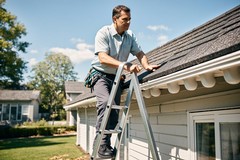
You do not need to climb onto your roof to spot many warning signs. In fact, we strongly recommend staying off the roof unless you are trained and properly equipped. Begin by walking around the perimeter of your home with a clear view of the roofline.
Look for shingles that appear missing, cracked, curled, or lifted. Check the ground and gutters for granules, which look like coarse black sand. Excessive granule loss is a sign that shingles are aging or storm-damaged and no longer protecting your roof effectively. Scan for any debris, branches, or dents on metal surfaces like vents and flashing. A pair of binoculars can help you examine higher areas without putting yourself at risk.
How to Check for Roof Damage From Inside Your Home
Some of the clearest evidence of roof trouble shows up indoors. Your attic is one of the best places to investigate because it reveals leaks before they spread to finished living spaces. On a sunny day, head up with a flashlight and look for beams of daylight coming through the roof boards, which indicate openings that should not be there.
Check for water stains, dark streaks, or damp insulation. A musty smell often points to lingering moisture, which can lead to mold if left unaddressed. Inside your living areas, watch for discolored patches on ceilings and walls, peeling paint, or sagging spots. These are signals that water has already found its way in. If you suspect moisture has reached your interior, our team's experience with water damage restoration in Philadelphia and the nearby regions can help you understand what steps come next.
Key Warning Signs to Watch For
When you are learning how to check for roof damage, it helps to know the most common red flags at a glance. Keep an eye out for the following during and after any major weather event:
- Missing, cracked, or curling shingles along the roof surface
- Granules collecting in gutters and downspouts
- Bent, loose, or missing flashing around chimneys, vents, and skylights
- Water stains, daylight, or damp insulation visible in the attic
- Sagging areas on the roof deck or ceilings inside the home
- Clogged or detached gutters pulling away from the house
Any one of these on its own warrants a closer look. Several together usually mean it is time to bring in a professional before the situation worsens.
Do Not Overlook Gutters, Flashing, and Vents
Shingles get most of the attention, but the smaller components of your roofing system often fail first. Flashing is the thin metal that seals the joints where your roof meets chimneys, walls, and skylights. Storms can bend or dislodge it, creating narrow channels where water sneaks in. Because these areas are easy to overlook, they are frequently the source of mysterious leaks.
Gutters play a critical role too. When they clog or pull loose, water backs up against the roof edge and can work its way beneath the shingles. After a storm, check that your gutters are still securely attached and draining properly. Clearing out leaves and debris is a simple step that goes a long way toward protecting your roof and foundation alike.
When to Call a Professional
Learning how to check for roof damage empowers you to catch problems early, but some situations call for expert eyes. If you notice widespread shingle loss, signs of structural sagging, or active leaks, do not wait. Climbing onto a storm-damaged roof is dangerous, and hidden issues like soaked decking or compromised flashing are difficult to assess without training.
A professional inspection gives you a complete picture of your roof's condition and documentation that can be helpful for insurance claims. The sooner damage is identified, the more options you have to repair it affordably. When water has already made its way inside, prompt action matters even more, since moisture encourages mold growth and weakens building materials over time. You can explore our full range of restoration services to see how we help homeowners recover after storms.
Protecting Your Home for the Long Term
Routine inspections are the best defense against costly surprises. We recommend checking your roof at least twice a year and after every significant storm. Pairing those seasonal reviews with regular gutter cleaning and quick repairs keeps small issues from snowballing into major projects. Homeowners who stay proactive almost always spend far less than those who wait for a leak to force the issue.
Knowing how to check for roof damage is a skill that pays off every time severe weather rolls through Philadelphia and the surrounding areas. A few minutes of careful observation can reveal problems while they are still easy and inexpensive to fix. When the damage goes beyond what you can safely handle, our experienced crew is ready to step in with repairs, restoration, and general contracting in Conshohocken, serving homeowners across Philadelphia and nearby communities.
If a recent storm has left you uncertain about your roof's condition, reach out to Quantum Restoration for guidance. Whether you need a professional assessment or help recovering from water intrusion, we are here to protect your home and restore your confidence. Contact us today to get started before small problems have the chance to grow.