Few things are more unsettling than pulling clean laundry from the drum and catching a whiff of raw sewage. It is a smell that lingers, clings to fabric, and leaves you wondering whether your clothes are actually clean at all. If you have ever asked yourself why does my washing machine smell like sewage, you are far from alone. This is one of the most common odor complaints homeowners bring to restoration contractors in Philadelphia and its neighboring communities and the causes range from harmless buildup to serious plumbing problems that deserve immediate attention.
The good news is that most sewage odors have a clear source, and many of them can be resolved without tearing your laundry room apart. The key is understanding where the smell is coming from before you start scrubbing. Below, we break down the usual culprits and the fastest ways to fix each one, along with signs that it is time to bring in a professional.
Why Does My Washing Machine Smell Like Sewage?
When people ask why does my washing machine smell like sewage, the answer usually comes down to one of three sources: trapped organic buildup inside the machine, a drainage problem, or a venting issue in the plumbing system. Each produces that unmistakable rotten, sulfur-like odor, but for very different reasons.
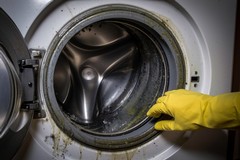
Inside the machine, a warm and damp environment is the perfect breeding ground for bacteria, mold, and mildew. Detergent residue, fabric softener, dirt, and body oils collect in hidden spots like the rubber door gasket, the detergent drawer, and the drain pump filter. Over time, these deposits break down and release gases that smell remarkably close to sewage. This is especially common in high-efficiency front loaders, which use less water and stay moist longer between cycles.
The other major source sits behind the wall. Your washing machine drains into your home's plumbing, and that plumbing relies on P-traps and vent pipes to keep sewer gases out of your living space. When a trap dries out or a vent gets blocked, sewer gas can travel backward and escape right where your machine drains. In that case, the odor is not coming from the appliance at all. It is coming from your septic or sewer line.
Buildup Inside the Machine
If the smell is strongest when you open the lid or door, the problem is almost certainly inside the appliance. Biofilm, a slimy layer of bacteria and grime, thrives along the drum, the gasket folds, and the internal hoses. Running only cold, short cycles with liquid detergent tends to accelerate this buildup because there is never enough heat to break down the residue.
The fix is straightforward and usually effective. Start by running an empty hot cycle with either a cup of white vinegar or a dedicated washing machine cleaning tablet. Follow that with a second hot cycle using a half cup of baking soda to neutralize lingering odor. While the machine drains, wipe down the rubber gasket on a front loader, paying close attention to the folds where water and lint hide. Pull out the detergent drawer completely and scrub it, since old softener turns into a gummy, smelly sludge.
Do not overlook the drain pump filter, often located behind a small panel at the bottom front of the unit. Coins, lint, and hair collect there and rot over time. Clean it every few months and leave the door or lid open between washes so the interior can dry out.
Drain and Vent Problems
When cleaning the machine does not solve the issue, the plumbing is the likely offender. A washing machine standpipe needs a properly functioning P-trap that stays filled with water. That small pool of water forms a seal that blocks sewer gases from rising into the room. If the machine sits unused for a while, or if the trap was installed incorrectly, the water can evaporate and let gas through.
Blocked vent pipes are another frequent cause. Vents allow sewer gases to escape safely through your roof while equalizing pressure so drains flow smoothly. A clog from leaves, debris, or even a bird's nest can force those gases back down the line and out through the nearest fixture, which is often the laundry drain. A partial clog in the drain line itself can also trap decaying material that produces a sewage smell every time water passes through.
Here are the most common plumbing-related sources worth checking:
- A dried-out or missing P-trap at the washer standpipe
- A clogged or obstructed plumbing vent stack
- A partial blockage in the drain line trapping organic waste
- A loose or disconnected drain hose that lets gas seep out
Pouring a bucket of water down an unused standpipe can quickly refill a dry trap and confirm whether that was the issue. If the smell persists, the problem is deeper in the system and generally requires a plumber or restoration specialist to diagnose properly.
When Sewage Odor Signals a Bigger Problem
Sometimes a sewage smell around the washing machine is an early warning of something more serious than a dirty drum. If you notice water backing up into the drain, gurgling sounds from other fixtures, or the odor spreading to nearby drains and sinks, you could be dealing with a sewer line backup. Backups introduce contaminated water, known as black water, into your home, and that water carries bacteria and pathogens that pose real health risks.
Contaminated water that seeps into flooring, drywall, or subfloor cannot simply be mopped up and forgotten. Porous materials absorb moisture and bacteria, leading to mold growth and structural damage within days. This is where professional help becomes essential.
Homeowners dealing with standing water or repeated backups should never wait. Prompt water damage cleanup in Philadelphia and the surrounding areas can stop contamination from spreading and protect your family's health. The longer sewage water sits, the more expensive and involved the recovery becomes.
Preventing the Smell From Coming Back
Once you have solved the immediate problem, a little routine care keeps sewage odors from returning. Run a hot cleaning cycle roughly once a month, use the correct amount of detergent rather than overdosing, and leave the door open between loads so moisture evaporates. Wipe the gasket dry after heavy use and clean the detergent drawer regularly. For homes on septic systems, keeping up with pumping schedules prevents backups that would otherwise push odor into every drain in the house.
If you keep smelling sewage no matter how thoroughly you clean, treat it as a signal rather than a nuisance. Persistent odors often point to plumbing or drainage issues that will only worsen over time.
Understanding why does my washing machine smell like sewage empowers you to act quickly, whether the fix is a simple vinegar cycle or a call to a professional. Most odors trace back to buildup inside the drum or a drainage and venting problem behind the wall, and both are manageable when caught early. But when the smell comes with backups, discoloration, or moisture where it does not belong, the situation demands a trained response.
If contaminated water has reached your floors or walls, our specialists provide thorough water damage restoration in Conshohocken, PA and neighboring communities. Reach out to Quantum Restoration for a fast assessment, and let us help you get your home clean, dry, and odor-free again.