
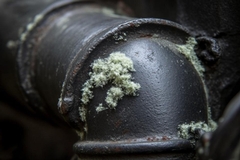
Can mold grow on metal indoors? Contrary to popular belief, metal surfaces aren’t impervious to mold growth. While they don’t provide organic material for mold to feed on, certain conditions can still foster unwanted mold. If you're experiencing this issue, it might be time to call a trusted damage restoration company in Philadelphia to assess and address your home environment.
Mold growing indoors is a significant concern, not just for your home’s aesthetic but also for your health. Mold spores, inhaled over time, can lead to respiratory issues and allergic reactions. This blog aims to shed light on how mold can indeed emerge on metal and explore preventive measures to keep your indoor environment healthy. Whether you’re a homeowner battling an ongoing mold problem or are freshly curious about maintaining a mold-free environment, this discussion will guide you on the effects and solutions related to mold on metal surfaces.
How Mold Finds Its Way onto Metal
To effectively prevent mold, it's essential first to grasp how it can grow on metal. Mold requires moisture, oxygen, and an organic food source to thrive, usually making metal seem an unlikely candidate. However, metals often collect condensation or become damp in humid environments, creating suitable habitats for mold spores.
For instance, consider HVAC systems, which frequently use metal components and are prone to collecting moisture. As air cools in these systems, condensation can form, allowing mold spores to settle and grow. Similarly, metal pipes or roofs exposed to fluctuating outdoor temperatures might experience condensation, leading to potential mold growth.
Conditions Leading to Mold Growth on Metal
Mold doesn't directly feed on metal surfaces. Instead, it thrives on accumulated organic debris or when metal is exposed to prolonged moisture:
- Condensation: Especially common in climates with high humidity or dramatic temperature changes, leading to dew on metal surfaces.
- Dust and Debris: Metal often collects dust, which provides the organic matter mold needs for sustenance.
- Inadequate Ventilation: Limited fresh airflow traps moisture on metal surfaces and fosters a breeding ground for mold spores.
Typical Metal Surfaces Affected
Common areas where mold could develop on metal include:
- Air Conditioning Units: The consistent condensation can lead to mold if not regularly maintained.
- Metal Roofing and Gutters: Exposure to rain and lack of direct sunlight can trap moisture.
- Kitchen Appliances: Fridges and freezers with poor seals or unmanaged leakages can support mold growth.
Understanding these specifics aids in planning necessary actions to diminish the risk of mold growing indoors, even on seemingly resistant surfaces.
Preventing Mold on Metal
Proactive measures make all the difference in keeping metal surfaces mold-free. Let's explore viable prevention strategies to help deter mold formation on these seemingly robust surfaces.
Regular Maintenance
Routine cleaning and check-ups of metal installations can curb potential mold scenarios:
- Regular Inspections: Periodic examinations of metal surfaces, especially in damp-prone areas, are crucial. Look specifically at HVAC systems and pipes.
- Thorough Cleaning: Using metal-appropriate cleaners to remove dust or organic materials where mold could grow. A solution of mild detergent and water is often sufficient, complemented by isopropyl alcohol or vinegar for disinfection.
Proper Ventilation
Ventilation plays a pivotal role in managing moisture levels:
- Install Vents: Adequate airflow in closed spaces reduces humidity and prevents metal surface condensation.
- Use Dehumidifiers: Especially in basements or storerooms, to maintain low humidity levels.
- Sealing and Insulating: Well-sealed windows and insulated pipes reduce internal temperature variations that encourage condensation.
Prompt Moisture Management
Since moisture is a key component for mold growth on metal, diligent moisture management is crucial:
- Leak Repair: Attend to leaks in roofing or plumbing to prevent water from pooling on metal areas.
- Keep Dry: Wipe down condensation-prone areas regularly, particularly after showers or cooking.
- Timely Repairs: Immediate action on signs of rust or water stains on ceilings can prevent underlying mold incidents.
Mold removal and remediation in Philadelphia and its surrounding cities becomes a need when mold grows unchecked, impacting health and home fortune.
When Mold Has Already Formed
Despite the best intentions, mold can still surprise homeowners. When mold has taken root, following specific steps can address the problem efficiently.
DIY Mold Removal
Small mold spots might be manageable with at-home solutions:
- Protective Gear: Always use gloves and masks to prevent inhalation of mold spores.
- Cleaning Agents: Use solutions like diluted bleach (one cup of bleach to one gallon of water) for cleaning mold off metal surfaces, ensuring ample ventilation.
Professional Intervention
Stubborn or extensive mold infestations call for specialized interventions:
- Advanced Cleaning Techniques: Professionals apply industry-grade disinfectants and tools to tackle mold thoroughly.
- Assessment Services: Companies can evaluate home environments to address moisture sources causing mold to flourish.
- Follow-up and Monitoring: Regular check-ups ensure mold does not reappear on metal surfaces.
If you're unsure about tackling mold on your own or dealing with a significant outbreak, seeking expert help from Quantum Restoration Services ensures effective mold remediation and peace of mind.
Partnership for a Mold-Free Home
Controlling mold growth, even on unlikely surfaces like metal, requires diligent attention to moisture control and regular maintenance practices. Understanding how mold can grow on metal provides you with foresight in protecting your space.
If you're facing persistent issues or seeking reliable restoration services, Quantum Restoration Services is here to support areas across and near Philadelphia. Our comprehensive water damage restoration and mold removal services guarantee thorough removal and preventative measures to keep your home healthy. Visit our website or reach out for a consultation to safeguard against mold and other household complications.