
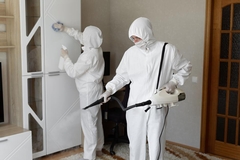
Mold is a stealthy invader, quietly spreading in the hidden corners of your home. The realization hits when you suddenly catch a musky whiff or spot discoloration creeping along a wall. As you dial for assistance, a crucial question arises: can you stay in home during mold remediation? At Quantum Restoration Services, a leading damage restoration company in Philadelphia, PA, we often encounter homeowners grappling with this very uncertainty. Let's delve into the factors that influence this decision and help guide you through the mold remediation process.
The safety and comfort of your stay depend on various factors, including the severity of the mold infestation, the area affected, and the techniques used in remediation. Understanding each layer of this problem will equip you with the knowledge to make an informed decision for yourself and your family's health.
Understanding Mold and Its Implications
The Nature of Mold
Mold is a fungus that thrives in moist environments, and it can become a significant problem if unchecked. Not just a visual blemish or a minor inconvenience, mold can affect the structural integrity of your home and pose health risks, especially for those with allergies or respiratory conditions. Toxic mold spores can become airborne, contaminating the air particles you breathe.
Health Concerns
When mold takes hold, so can health issues. Symptoms can range from sneezing and coughing to more serious respiratory problems. Sensitive individuals, including infants and the elderly, may find living in a mold-infested environment particularly challenging. This is a primary consideration in deciding whether to vacate your home during mold remediation.
Key Factors in Staying During Mold Remediation
Mold Severity and Location
One of the primary factors determining whether you can stay home is the extent and location of the mold. Minor issues, like surface mold in a single bathroom, might only require limited intervention. Conversely, extensive mold spread across multiple rooms, especially in areas like HVAC systems, is more concerning and may necessitate temporary relocation.
Methods of Remediation Employed
The methods employed during the remediation process will vary based on the severity and location of the infestation. Some common techniques include:
- Containment: Setting up physical barriers to prevent mold spores from spreading. This is crucial but may limit access to parts of your home.
- Air Filtration: Using HEPA filters to capture airborne mold spores, improving air quality during the process.
- Removal and Cleaning: Severely affected areas may require chemical cleaning agents, which can produce strong odors and require controlled conditions.
- Restoration: Post-remediation restoration might include repairing or replacing damaged structures to ensure mold does not return.
When deciding to stay home, consider how these methods might impact the comfort and livability of your environment. Communication with your mold removal and remediation team is key. They'll advise based on the specifics of your situation.
Cost and Duration
Another practical consideration is the cost and time associated with relocation. Remediation projects can range from a few days to weeks, depending on severity. Weighing this against the cost of temporary accommodation is essential, as is evaluating how prolonged exposure might affect your health and well-being, potentially leading to further costs down the line.
Final Considerations
Indoor Air Quality
Mold remediation aims to improve indoor air quality, but during the process, conditions may temporarily worsen. Considering whether vulnerable household members could be exposed to airborne irritants is critical. If there are alternate spaces they can reside in temporarily, it might be worth exploring those options.
Legal Obligations and Rental Situations
If you're a renter, talk to your landlord about their obligations in handling such situations. Ensure transparency and cooperation about the strategies and timeline for remediation, as landlords have a responsibility to provide safe living conditions.
Living with Disruption
Consider your tolerance for disruption. Mold remediation can be invasive. Rooms may be sealed off, and areas of your home rendered unusable for a period. If you opt to stay, prepare for some inconvenience. Plan a makeshift living situation where essentials are accessible, and daily routines minimally impacted.
Your Next Steps
The question, "Can you stay in the home during mold remediation?" has been explored in various lights, emphasizing safety, practicality, and personal preference. Quantum Restoration Services prioritizes your well-being and offers expert guidance on deciding what's best for you and your family.
If you're grappling with mold issues and require professional mold testing and inspection in Philadelphia, PA, or beyond, reach out for a comprehensive assessment. We'll help you navigate this complex matter, ensuring your home remains a safe haven.
For residents in adjacent areas, consider our services, including mold removal and remediation in Conshohocken, ensuring expert care is never out of reach. Trust Quantum Restoration Services to restore your peace of mind, providing the expertise and support you need. Contact us today to discuss your unique circumstances and take the first step toward a healthier living environment.