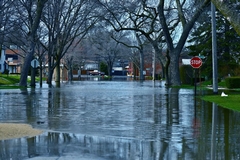
Philadelphia is a city steeped in history, rich with diverse neighborhoods and prominent landmarks. However, it's also a city shaped by water, with its proximity to both the Delaware and Schuylkill Rivers. This geographical blessing comes with challenges, notably the Philadelphia flood plain. Understanding the implications of the flood plain on insurance and building is crucial for anyone owning or planning to develop property within the city. And if you're dealing with flood-related issues, seeking disaster restoration services in Philadelphia can be a lifeline.
Flood plains play a pivotal role in safeguarding against potential water damage, but they also bring complexities that affect insurance policies and building regulations. Whether you're a homeowner, a developer, or someone seeking to safeguard your property, it's vital to comprehend how the unique dynamics of Philadelphia's flood plain influence these essential areas. In this blog post, we'll delve into this topic, exploring how Philadelphia's flood plain shapes insurance considerations, impacts building regulations, and presents both challenges and opportunities for property owners.
Understanding Philadelphia's Flood Plain
The Philadelphia flood plain is a crucial geographical feature that affects various aspects of urban planning and individual living. Flood plains are typically flat areas around rivers that are prone to flooding, and their presence is a signal of both natural beauty and underlying risk. In Philadelphia, these floodplains are demarcated based on historical data, topography, and river proximity.
Being located in a flood plain means that certain sections of the city are at a higher risk of experiencing floods, typically during heavy rainfalls or hurricane remnants. This risk is meticulously studied and mapped by governmental organizations like FEMA, which periodically update their maps to reflect current risk levels and predictions. These maps are not only vital for city planners, but also for insurance agencies and property developers.
The Impact on Insurance
When your property is located within the Philadelphia flood plain, securing adequate insurance becomes more intricate. Standard homeowner insurance policies generally do not cover flood damage, necessitating separate flood insurance. The National Flood Insurance Program (NFIP), managed by FEMA, provides a route for homeowners to obtain this essential coverage. Property owners need to understand the flood zone designation of their land, as this classification directly affects insurance premiums.
Being in a high-risk flood zone can significantly increase insurance costs. However, it's a necessary investment to protect against potential massive financial losses. For those on the fringes of high-risk areas, understanding the specific boundaries of the Philadelphia flood plain is key to making informed decisions about coverage. It's also critical to balance cost with protection to ensure a sound financial decision. Consulting with insurance experts who understand the nuances of flood plains can provide clarity and guidance.
Building Regulations and Compliance
The influence of the Philadelphia flood plain extends to building codes and construction practices. Development within these areas often requires adherence to strict regulations aimed at minimizing flood damage risk. For new constructions or significant renovations, builders must abide by guidelines that may include elevating structures, using flood-resistant building materials, or designing with water flow dynamics in mind.
Navigating these regulations can be challenging, especially for developers aiming to optimize land use while complying with safety mandates. This is where professional insights and services, such as those offered by Quantum Restoration, become invaluable. These services not only ensure compliance but also foster resilience in the face of potential flooding threats. Expert guidance helps craft solutions that combine practicality with regulatory adherence, enhancing long-term sustainability.
Challenges Faced by Homeowners and Developers
Property owners and developers face unique challenges when working within the Philadelphia flood plain. For homeowners, the concern lies in ensuring their property is adequately protected without astronomical costs. Developers, on the other hand, grapple with regulatory overlays that could influence project feasibility and costs.
These challenges include elevated insurance expenses, potential limitations on alterations or expansions, higher building costs due to specialized materials or construction methods, and the need for regular updates as flood plain mappings and regulations evolve. Despite these hurdles, strategic planning and adaptive measures can lend resilience to properties, ultimately enhancing their value and longevity.
Leveraging Opportunities in the Flood Plain
While the challenges within the Philadelphia flood plain are real, so are the opportunities. Sustainable development practices allow developers to design structures that are not only compliant but also environmentally friendly and appealing. Emphasizing green building certifications, innovative flood management solutions, and community-oriented designs can make properties more attractive to conscientious buyers.
Collaborating with experts in restoration and construction can transform potential obstacles into pathways for growth. By focusing on cutting-edge technologies and environmentally integrated approaches, property owners can turn flood plain locations into spaces that offer both security and scenic beauty.
Insights on Restoration and Safety Measures
For properties within the Philadelphia flood plain, planning for potential floods is essential to safety and financial stability. Implementing preemptive measures such as installing sump pumps, reinforcing foundations, or landscaping to divert water flow can pay dividends in minimizing damage. Engaging with restoration experts familiar with local dynamics makes these steps more effective and reassuring.
In the unfortunate event of flood damage, the importance of swift and efficient response becomes evident. Services like mold removal and remediation in Philadelphia are critical to restoring living spaces and ensuring safe environments. Fast action preserves structural integrity and curbs long-term issues such as mold, which can pose health hazards.
Recommendations for Residents and Stakeholders
Proactive engagement is imperative for all stakeholders within the Philadelphia flood plain. Whether you’re a homeowner, a policymaker, or a developer, staying informed about the latest updates in flood mapping, insurance requirements, and building regulations is vital.
Recommendations to consider include regular consultations with insurance agents to optimize coverage, partnering with local agencies for compliance support, involving sustainability consultants in the design process, and maintaining an emergency plan. The collective effort will ensure that residents and developers alike can tackle potential flood-related obstacles effectively and sustain community resilience.
Ensuring Safety and Sustainability in Your Building Projects
Securing investments and ensuring the safety of properties in Philadelphia's flood plain requires a delicate balance of compliance, innovation, and strategic partnerships. Engaging with providers like Quantum Restoration Services, well-versed in navigating both water and building challenges, ensures that your projects are protected and sustainable for the long term. Partnering with experts who understand the intricacies of the region's flood dynamics is crucial to thriving while mitigating risks.
Quantum Restoration Services offers an array of solutions that span from immediate response interventions to long-term strategic planning. For property owners and developers in Conshohocken, our fire damage restoration services can be an essential resource in managing properties affected by floods or fires. With our support, you can safeguard your investments and contribute to building a resilient, future-proof community.
Reach out to Quantum Restoration Services for a consultation today. Whether you need help with immediate disaster recovery or long-term building strategies, we're here to ensure your property stands strong against any challenge.