
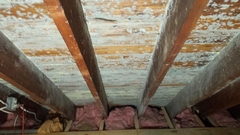
Wood, often prized for its aesthetic charm and versatility, unfortunately, becomes a prime target for mold infestation. This pervasive issue not only mars the beauty of wood but can also compromise its structural integrity if not addressed promptly. Knowing how to kill mold on wood without causing damage is crucial for homeowners and property managers alike, as mold can thrive in places where humidity and dampness prevail. For those seeking professional assistance or advice, restoration contractors in Philadelphia are equipped to handle a myriad of issues, ensuring your property's longevity and appeal.
Mold on wood surfaces can be daunting due to the porous nature of wood, which makes it an inviting breeding ground for mold spores. Left unchecked, mold can spread rapidly, releasing spores into the air and posing health hazards to occupants. This guide aims to empower you with safe and effective methods to combat mold while preserving the integrity of your wood surfaces. We'll explore practical steps, eco-friendly solutions, and when it might be time to call in the experts.
Understanding Mold on Wood
Why Mold Thrives on Wood
Wood surfaces are porous, which means they have tiny openings that mold spores can easily infiltrate. When these spores find a hospitable environment with moisture and warmth, they begin to grow, endangering the health of both the wood and the inhabitants of the building. Understanding the science behind mold growth can help in devising effective strategies to manage and eliminate it.
Health Risks Associated with Mold
Mold not only damages surfaces but also poses significant health risks. It can trigger allergic reactions, worsen asthma conditions, and in severe cases, lead to respiratory issues. Recognizing the symptoms of mold exposure is the first step in protecting your household.
How to Kill Mold on Wood: A Step-by-Step Guide
Maintaining the delicate balance between effective mold removal and preserving wood is of utmost importance. Here’s a comprehensive step-by-step approach:
1. Identifying the Mold
Before diving into the cleaning process, properly identify the affected areas. Look for discoloration, surface stains, or musty odors, which are tell-tale signs of mold presence.
2. Safety First
Personal protective equipment is essential when dealing with mold. Equip yourself with gloves, masks, and safety goggles to prevent mold spores from affecting your health.
3. Select a Cleaning Solution
There are various solutions to choose from, and the right one depends on the severity of the mold problem.
- Vinegar: Its acidic nature makes it effective in killing mold. Spray undiluted vinegar on the affected area, let it sit, and then scrub with a brush.
- Baking Soda Paste: Mix baking soda with water to form a paste. This is particularly effective for light mold issues.
- Hydrogen Peroxide: Ideal for tougher stains. Spray a 3% solution onto the wood and let it sit before scrubbing.
- Commercial Mold Removal Products: Available in stores, these are specially formulated for tougher cases and are generally safe for wood.
4. Applying and Scrubbing
Apply your chosen solution generously but avoid over-saturating the wood. Use a soft brush to gently scrub in circular motions. This ensures mold is removed without causing abrasions to the wood surface.
5. Rinse and Dry Thoroughly
Rinse the area with a damp cloth to remove any residue. Complete drying is crucial; use fans or dehumidifiers to ensure there's no residual moisture that can spur mold regrowth.
Preventive Measures to Halt Mold Recurrence
Prevention is better than cure, and there are practical steps you can take to curb mold growth in the first place.
- Control Humidity Levels: Ensure indoor humidity is kept below 60%. Dehumidifiers can be particularly useful in damp spaces like basements.
- Improve Ventilation: Regular air circulation is key. Make use of exhaust fans in kitchens and bathrooms to reduce moisture build-up.
- Regular Inspections: Conduct periodic checks of vulnerable areas such as basements, attics, and around plumbing fixtures.
If the infestation is widespread or you find yourself dealing with recurring mold issues, bringing in experts specializing in mold removal and remediation in Philadelphia and beyond can provide a more comprehensive solution.
When to Hire Professionals
While DIY methods can be effective for smaller mold outbreaks, larger infestations or persistent mold issues might require professional intervention to ensure thorough removal and to address underlying issues, such as leaks or structural damage, that DIY methods might miss.
Quantum Restoration Services offers expertise in various locations, including Philadelphia, leveraging state-of-the-art technology and experienced professionals to restore properties to their former glory. Our team can tailor solutions that meet the unique needs and challenges of each client.
Knowing Who to Call
As the mold challenge grows, knowing who to call can save time and prevent costly damage. Professional restoration teams, like Quantum Restoration Services, not only offer mold solutions but can also provide additional services like water damage restoration to address potential moisture issues that contribute to mold growth. For solutions beyond DIY and in the realm of extensive repairs, relying on professional services ensures safety and effectiveness.
Services such as mold testing and inspection can pinpoint exact areas of concern and integrate preventive measures to safeguard the home environment against future outbreaks.
Taking Action
Protecting your wood surfaces from mold requires vigilance, practical know-how, and sometimes professional intervention. With the guidance provided, homeowners can effectively tackle mold issues using both DIY techniques and professional services where needed. Trust Quantum Restoration Services to handle your mold challenges with professionalism and care. Reach out today to explore tailored restoration solutions.